



Cardiovascular System Disorder
-
Cardiovascular System Disorder (55)

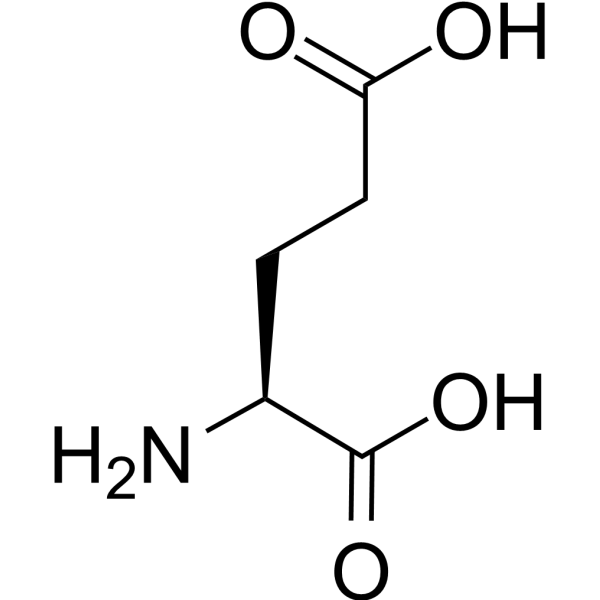
- Formel: C5H9NO4
- Molecular Weight: 147.13
L-Glutamic acid is an excitatory amino acid neurotransmitter that acts as an agonist for all subtypes of glutamate receptors (metabolic rhodophylline, NMDA, and AMPA). L-Glutamic acid has an agonist effect on the release of DA from dopaminergic nerve endings. L-Glutamic acid can be used in the study of neurological diseases. L-Glutamic acid acts at ionotropic and metabotropic glutamate receptors.
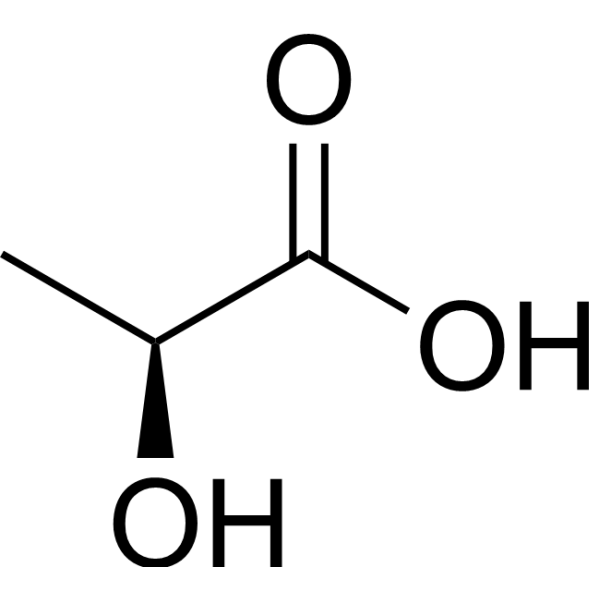
- Formel: C3H6O3
- Molecular Weight: 90.08
L-Lactic acid is a buildiing block which can be used as a precursor for the production of the bioplastic polymer poly-lactic acid. L-Lactic acid has antiproliferative activity.
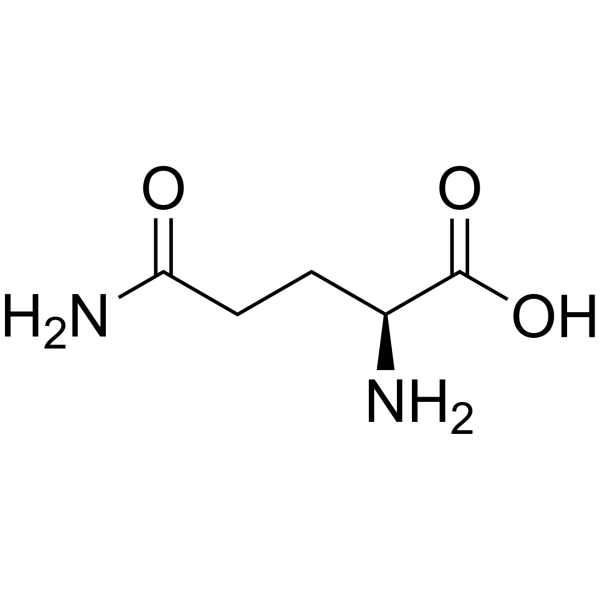
- Formel: C5H10N2O3
- Molecular Weight: 146.15
L-Glutamine (L-Glutamic acid 5-amide) is a non-essential amino acid present abundantly throughout the body and involved in many metabolic processes. L-Glutamine provides a source of carbons for oxidation in some cells.
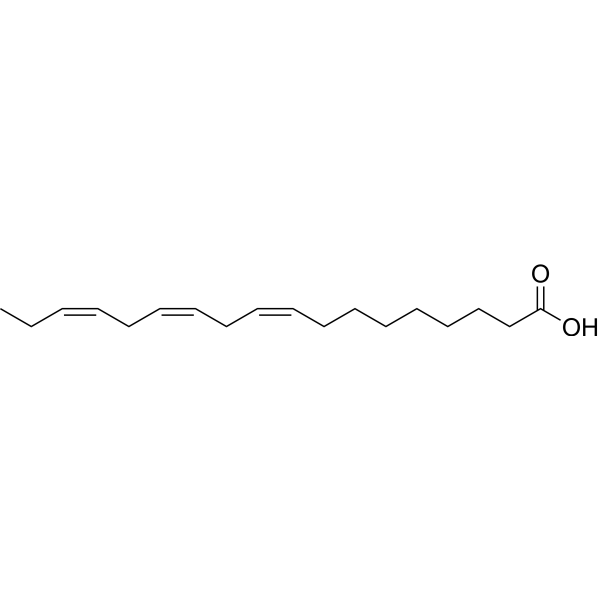
- Formel: C18H30O2
- Molecular Weight: 278.43
α-Linolenic acid (ALA (free base); C18:3 (9Z,12Z,15Z) (free base); C18:3 n-3 (free base)) is an essential fatty acid that cannot be synthesized by humans. α-Linolenic acid can affect the process of thrombotic through the modulation of PI3K/Akt signaling. α-Linolenic acid possess the anti-arrhythmic properties and is related to cardiovascular disease and cancer.
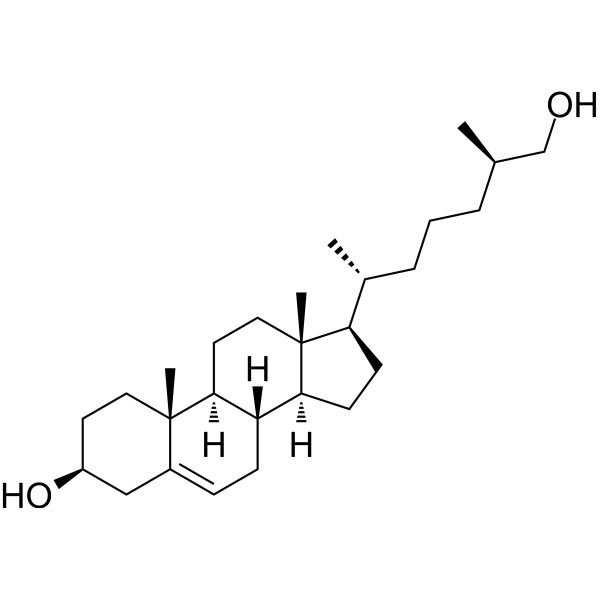
- Formel: C27H46O2
- Molecular Weight: 402.65
27-Hydroxycholesterol (27-OHC) is a selective estrogen receptor modulator and an agonist of the liver X receptor.

- Formel: C5H9NO4
- Molecular Weight: 147.13
L-Glutamic acid (Standard) is the analytical standard of L-Glutamic acid. This product is intended for research and analytical applications. L-Glutamic acid is an excitatory amino acid neurotransmitter that acts as an agonist for all subtypes of glutamate receptors (metabolic rhodophylline, NMDA, and AMPA). L-Glutamic acid has an agonist effect on the release of DA from dopaminergic nerve endings. L-Glutamic acid can be used in the study of neurological diseases.
IC50 & Target:DA.
In Vitro: L-Glutamic acid (120, 500, 750, 1000 mg/dL) can reduce the harmful effect of lithium on the embryonic development of Xenopus Xenopus.
L-Glutamic acid (2, 5, 10, 20 mM, 24-48 h) can induce neuroexcitotoxicity in neuroblastoma.
In Vivo: L-Glutamic acid (3 g/kg, subcutaneous injection) can promote excitotoxic degeneration of retinal ganglion cells in mice.
L-Glutamic acid (750 mg/kg, intraperitoneal injection) can reduce and inhibit oxidative stress induced by chlorpyrifos (CPF) in rats.

- Formel: C5H10N2O3
- Molecular Weight: 146.14
L-Glutamine (Standard) is the analytical standard of L-Glutamine (HY-N0390). This product is intended for research and analytical applications. L-Glutamine is an orally active nutritional agent and cellular metabolism regulator. L-Glutamine is taken up in a Na+-dependent manner and targets multiple key molecules including glutaminase, mTORC1, NF-κB, STAT-3 and HIF-1α. L-Glutamine enhances glutaminolytic catabolism, drives the conversion of glutamate to α-ketoglutarate, thereby regulating gene expression, integrating metabolic signals, mediating glutamine flux and maintaining redox homeostasis. L-Glutamine also promotes cell proliferation, osteogenic differentiation and fracture healing, exerts neuroprotective and cardioprotective effects, and inhibits osteoarthritis. L-Glutamine can be applied to research related to osteoporosis, osteoarthritis, ischemic stroke and acute cantharidin-induced cardiotoxicity.
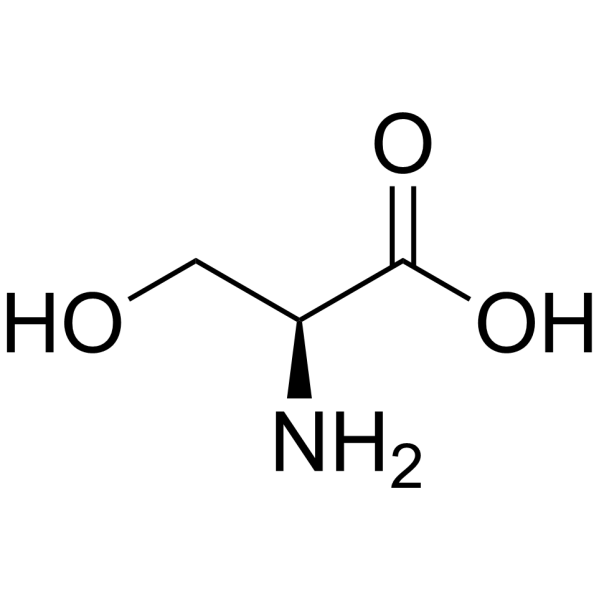
- Formel: C3H7NO3
- Molecular Weight: 105.09
L-Serine ((-)-Serine; (S)-Serine), one of the so-called non-essential amino acids, plays a central role in cellular proliferation.
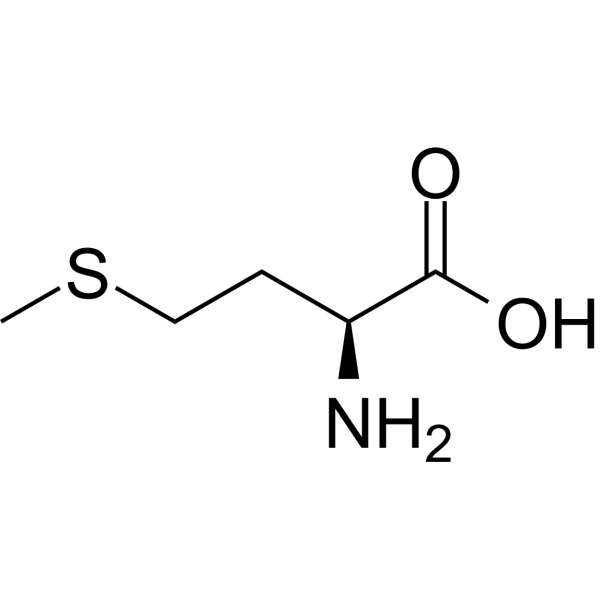
- Formel: C5H11NO2S
- Molecular Weight: 149.22
L-Methionine is an L-isomer of orally active Methionine, an essential amino acid. Methionine is a strong liver antidote that acts as a liver protector. L-Methionine can inhibit cell proliferation and induce cell apoptosis. L-Methionine has antitumor and antioxidant activity.
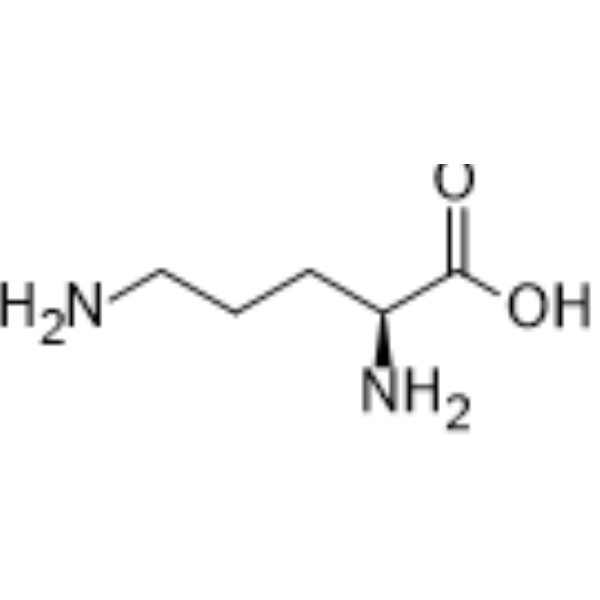
- Formel: C5H12N2O2
- Molecular Weight: 132.16
L-Ornithine ((S)-2,5-Diaminopentanoic acid) is a non-proteinogenic amino acid, is mainly used in urea cycle removing excess nitrogen in vivo. L-Ornithine shows nephroprotective.
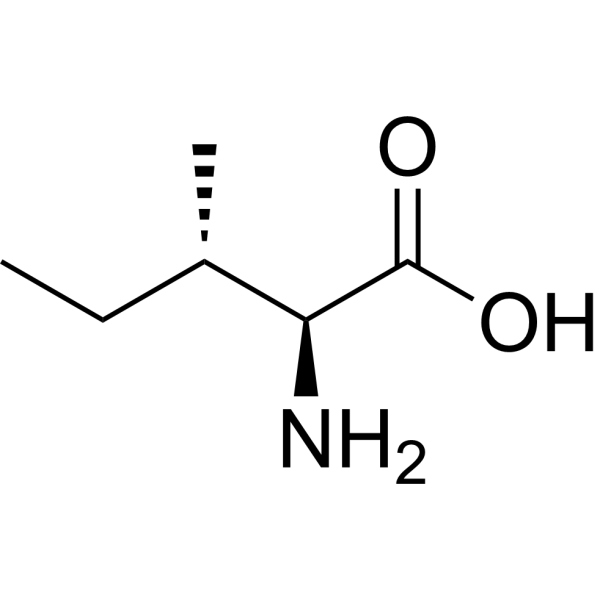
- Formel: C6H13NO2
- Molecular Weight: 131.18
L-Isoleucine is an orally active branched chain amino acid, which is the L-enantiomer of isoleucine. L-Isoleucine has a role as a Saccharomyces cerevisiae metabolite, an Escherichia coli metabolite, a plant metabolite, a human metabolite, an algal metabolite and a mouse metabolite. L-Isoleucine regulates the inflammatory response to protect against pathogens in vivo and in vitro.
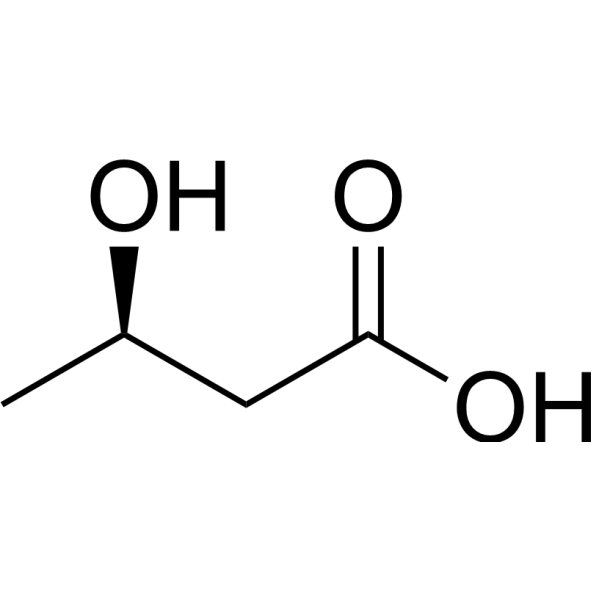
- Formel: C4H8O3
- Molecular Weight: 104.10
(R)-3-Hydroxybutanoic acid is a metabolite, and converted from acetoacetic acid catalyzed by 3-hydroxybutyrate dehydrogenase. (R)-3-Hydroxybutanoic acid has applications as a nutrition source and as a precursor for vitamins, antibiotics and pheromones.
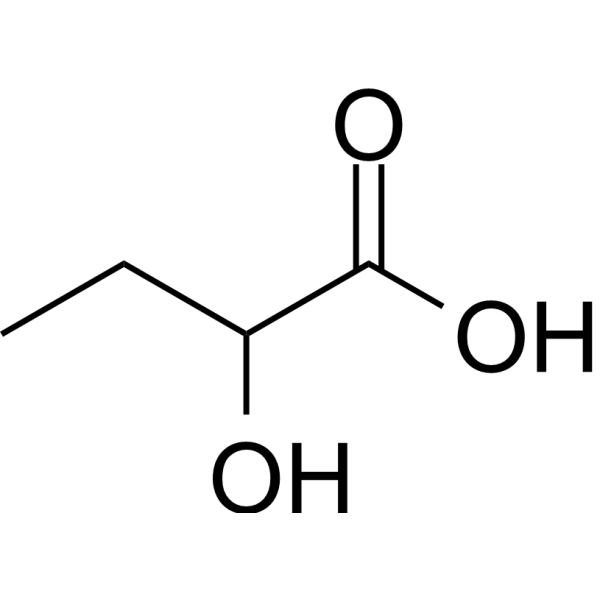
- Formel: C4H8O3
- Molecular Weight: 104.10
2-Hydroxybutyric acid (α-Hydroxybutyric acid ) is converted from 2-Aminobutyric acid, with 2-oxobutyric acid as an intermediate metabolite. 2-Hydroxybutyric acid is a potential biomarker for type 2 diabetes and preeclampsia. 2-Hydroxybutyric acid prevents the acetaminophen (AP)-induced liver injury.
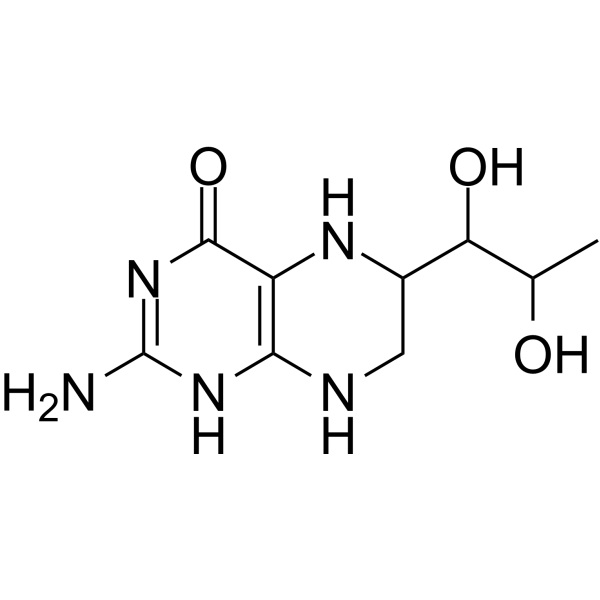
- Formel: C9H15N5O3
- Molecular Weight: 241.25
Tetrahydrobiopterin ((Rac)-Sapropterin) is a cofactor of the aromatic amino acid hydroxylases enzymes and also acts as an essential cofactor for all nitric oxide synthase (NOS) isoforms.
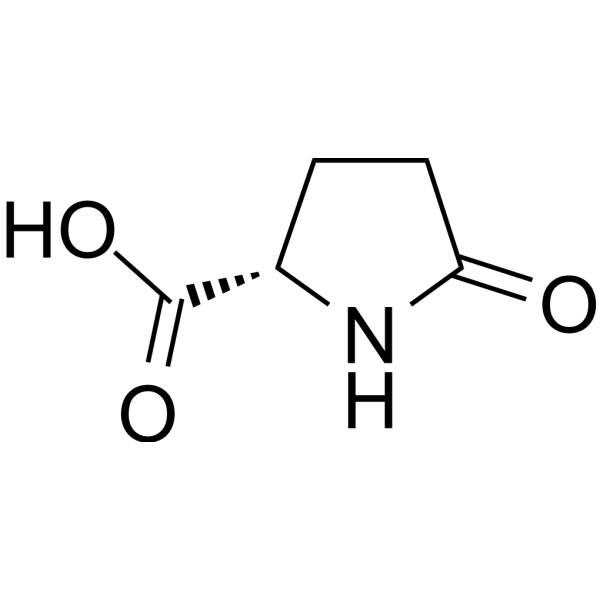
- Formel: C5H7NO3
- Molecular Weight: 129.11
L-Pyroglutamic acid is the levo-isomer of Pyroglutamic acid. L-Pyroglutamic acid is the biologically active enantiomer in humans. Pyroglutamic acid is an intermediate in glutathione metabolism. L-Pyroglutamic acid can be used as a biomarker for systemic lupus erythematosus (SLE).
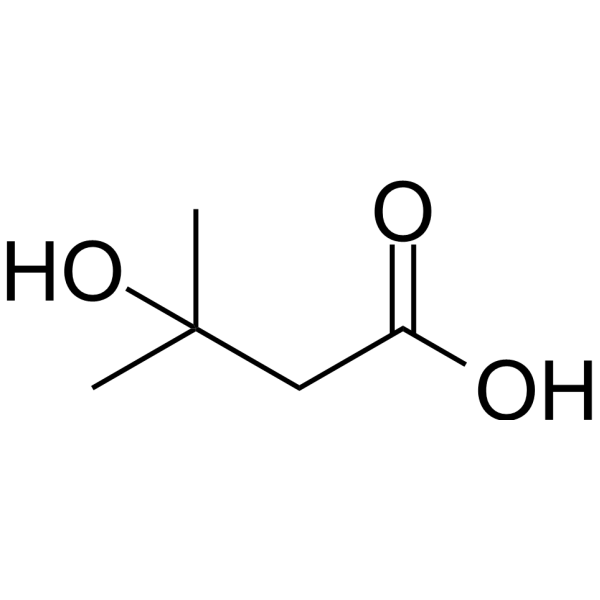
- Formel: C5H10O3
- Molecular Weight: 118.13
3-Hydroxyisovaleric acid is a normal endogenous metabolite excreted in the urine. The urinary excretion of 3-hydroxyisovaleric acid is early and sensitive indicator of biotin deficiency.
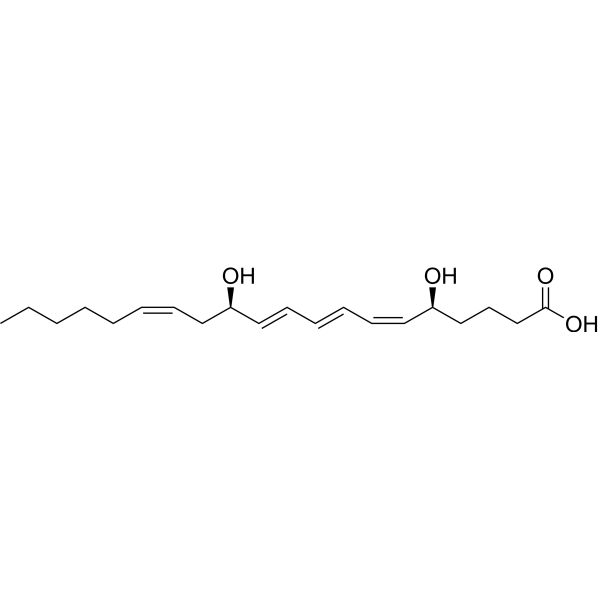
- Formel: C20H32O4
- Molecular Weight: 336.47



